Start with the work, not the height
Whether you need scaffolding depends on what's being done as much as how high it is. A quick look at a gutter is very different from stripping and re-tiling a roof, even though both happen at the eaves. Think about how long the job will take, how much of the building it covers, what materials are involved and whether anyone will be working on the roof itself.
Jobs that usually need scaffolding
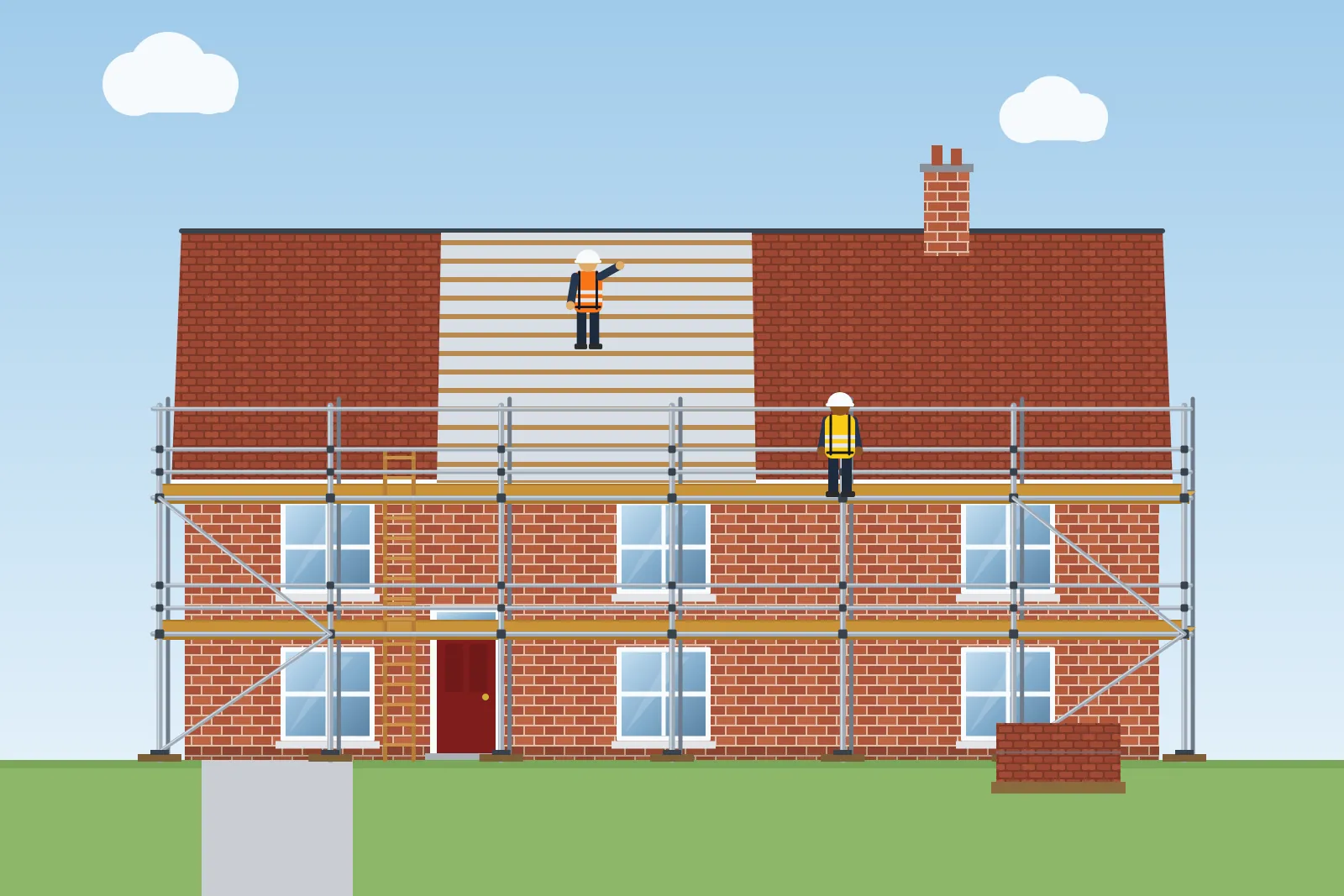
- Re-roofing or significant roof repairs – edge protection is normally needed
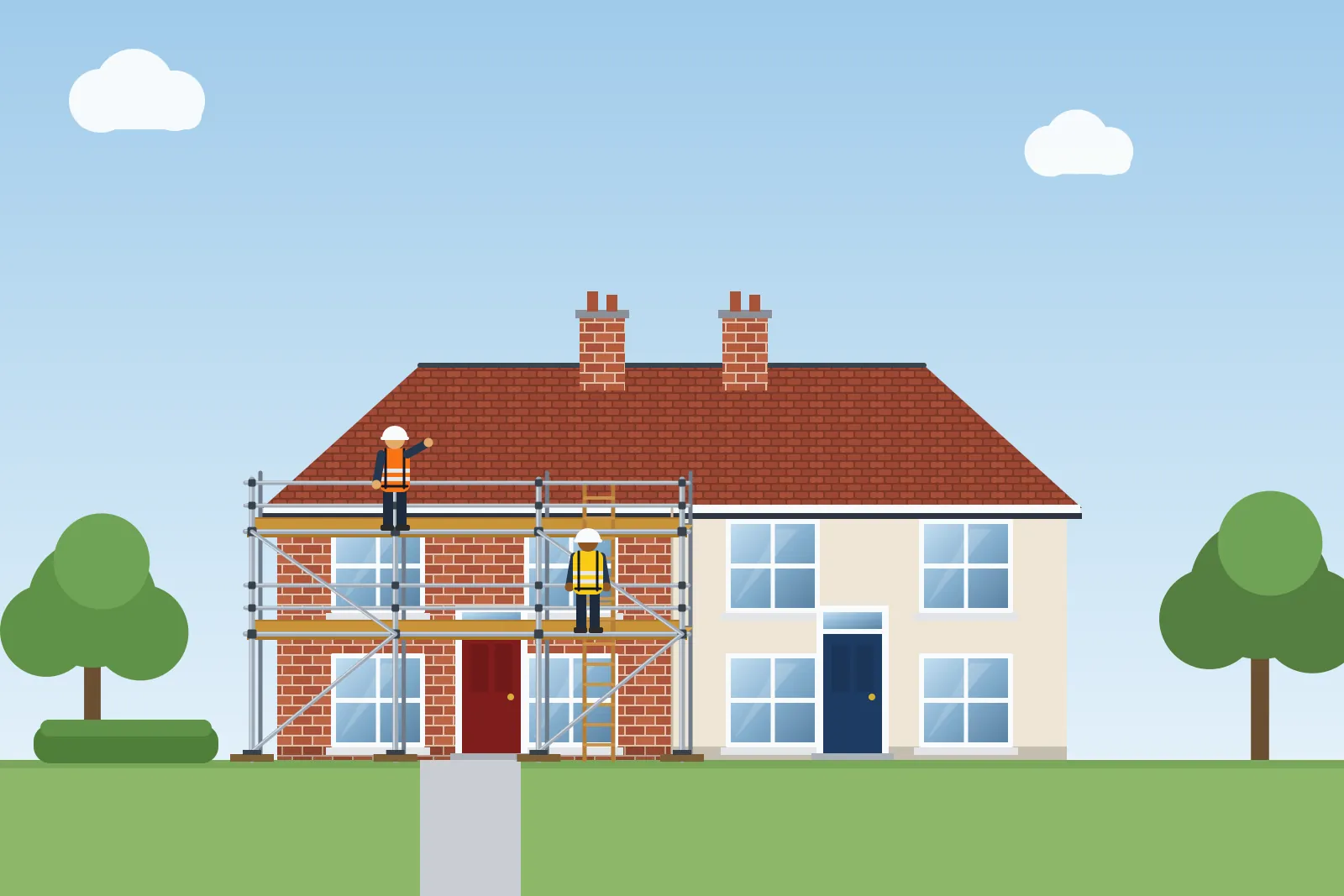
- Chimney repairs, rebuilding or removal
- Rendering, re-rendering or repointing a whole wall
- Exterior painting on two- and three-storey houses
- Replacing upper-floor windows, fascias, soffits and gutters along an elevation
- Building extensions, dormers and loft conversions
- Any job that lasts several days and needs materials at height
When a tower or other access may be enough
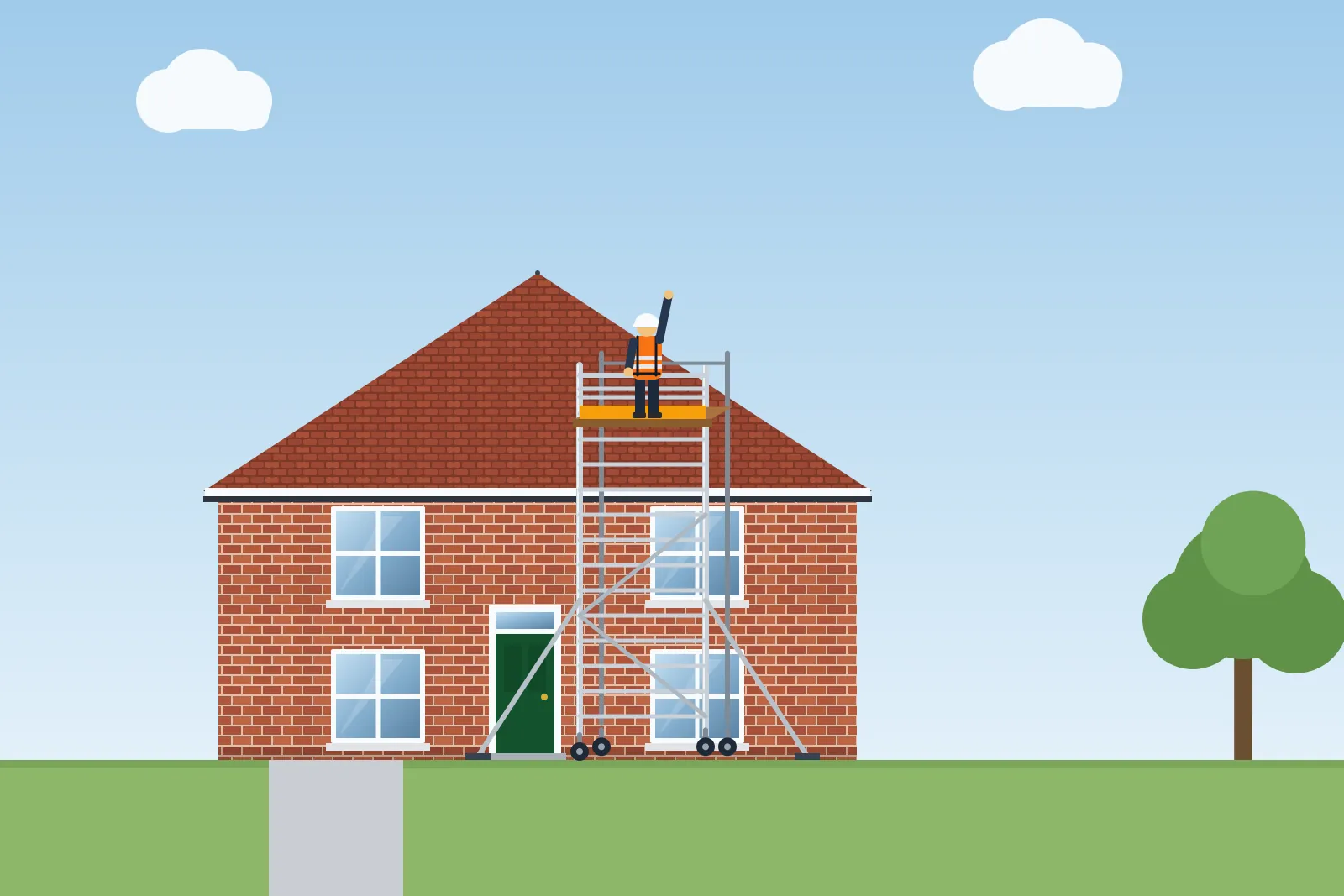
Short, light jobs in a small area – a section of gutter, a single window, a light fitting – may be possible from a scaffold tower or other suitable access equipment. On single-storey buildings, some work can be done from low platforms. The right answer depends on the job, the ground and the building, and your tradesperson should explain the access they plan to use.
Ready to get prices?
Describe your project and compare free scaffolding quotes from local companies – there's no obligation.
- Free to use
- No obligation
- Local scaffolding companies
- Quick online form
You'll continue to our quotes partner, MyJobQuote, to describe your scaffolding job.
Signs scaffolding is the safer, better option
- Someone will need to work on or at the edge of the roof
- The work will move along the whole wall rather than stay in one spot
- More than one trade needs access
- Ladders would have to stand on soft, sloping or uneven ground
- Heavy or bulky materials need to be handled at height
Who decides?
Usually, the tradesperson doing the work decides what access they need, and either arranges the scaffold or tells you what to book. If you're arranging it yourself, share the details with scaffolding companies and let them recommend the scaffold – including the height of the lifts and any extras such as edge protection or a chimney scaffold.