A temporary working platform
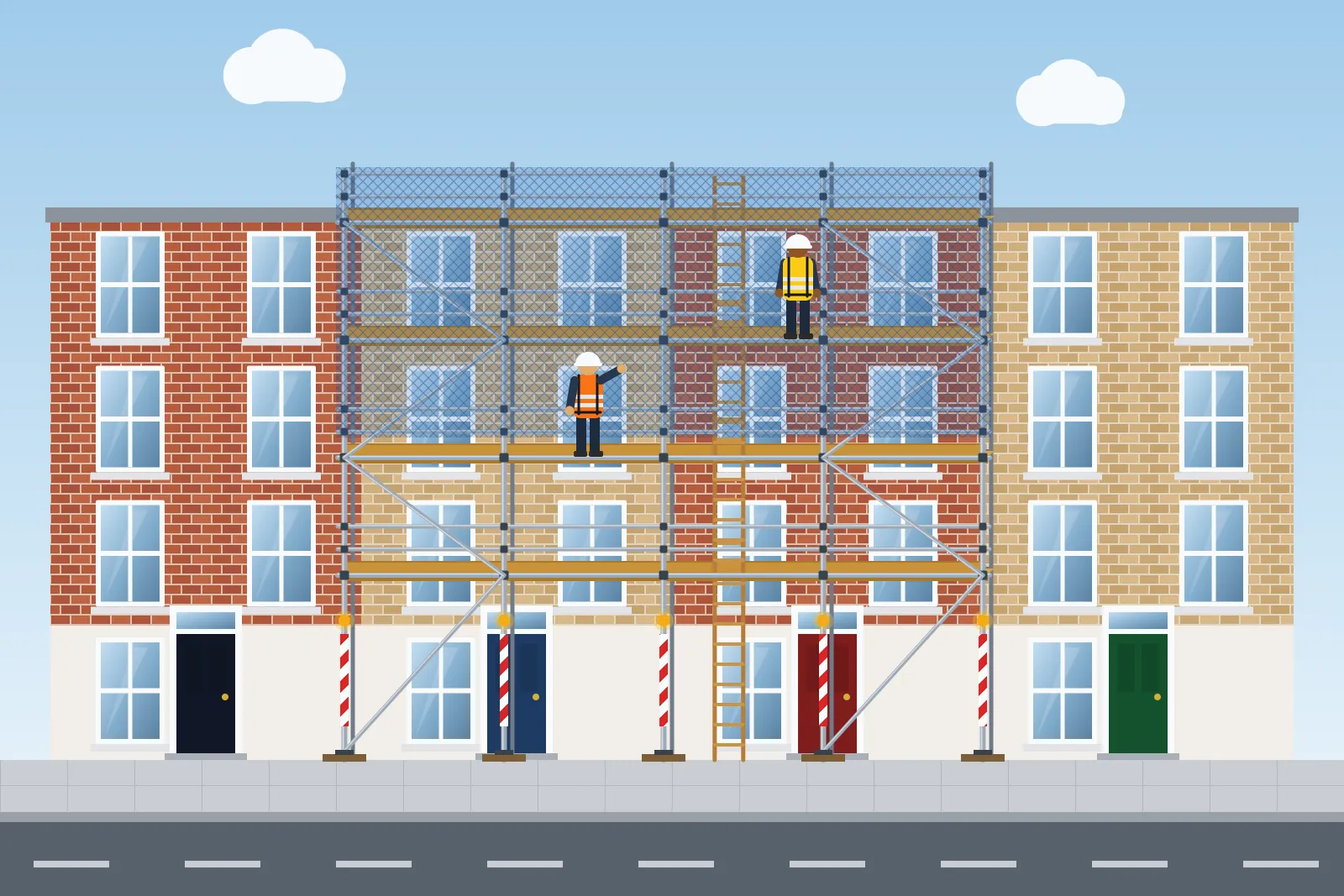
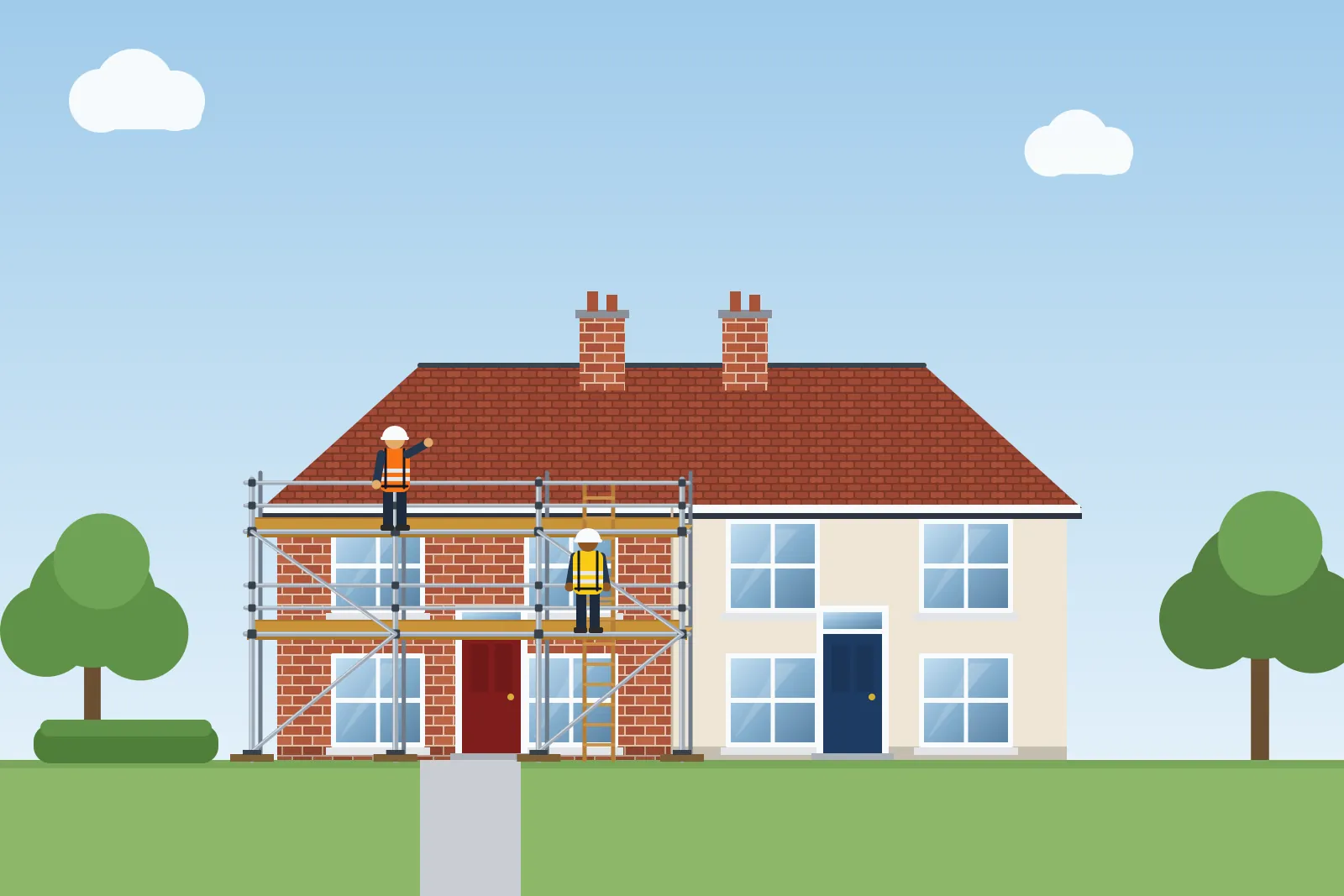
At its simplest, scaffolding is a temporary framework built against or around a building so that people can work above the ground. Instead of balancing on a ladder, tradespeople stand on a boarded platform with guardrails, with room for their tools and materials.
Scaffolds go up for as long as the job needs – a few days for a chimney repair, several weeks for a re-roof, months on a construction site – and are then taken down and removed. That's why most people hire scaffolding from a scaffolding company, which supplies the equipment and the trained team to erect, inspect and dismantle it.
What scaffolding is made of
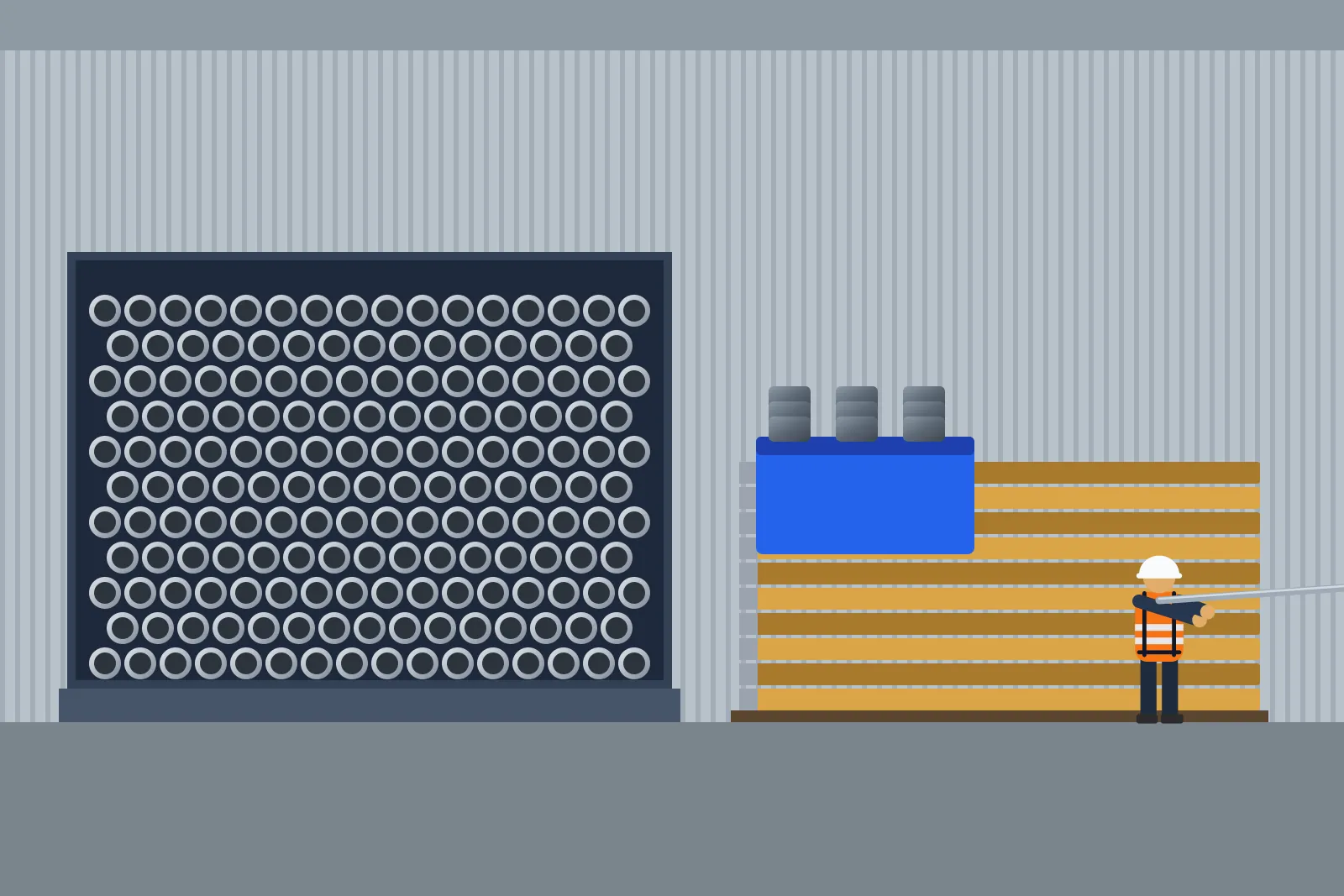
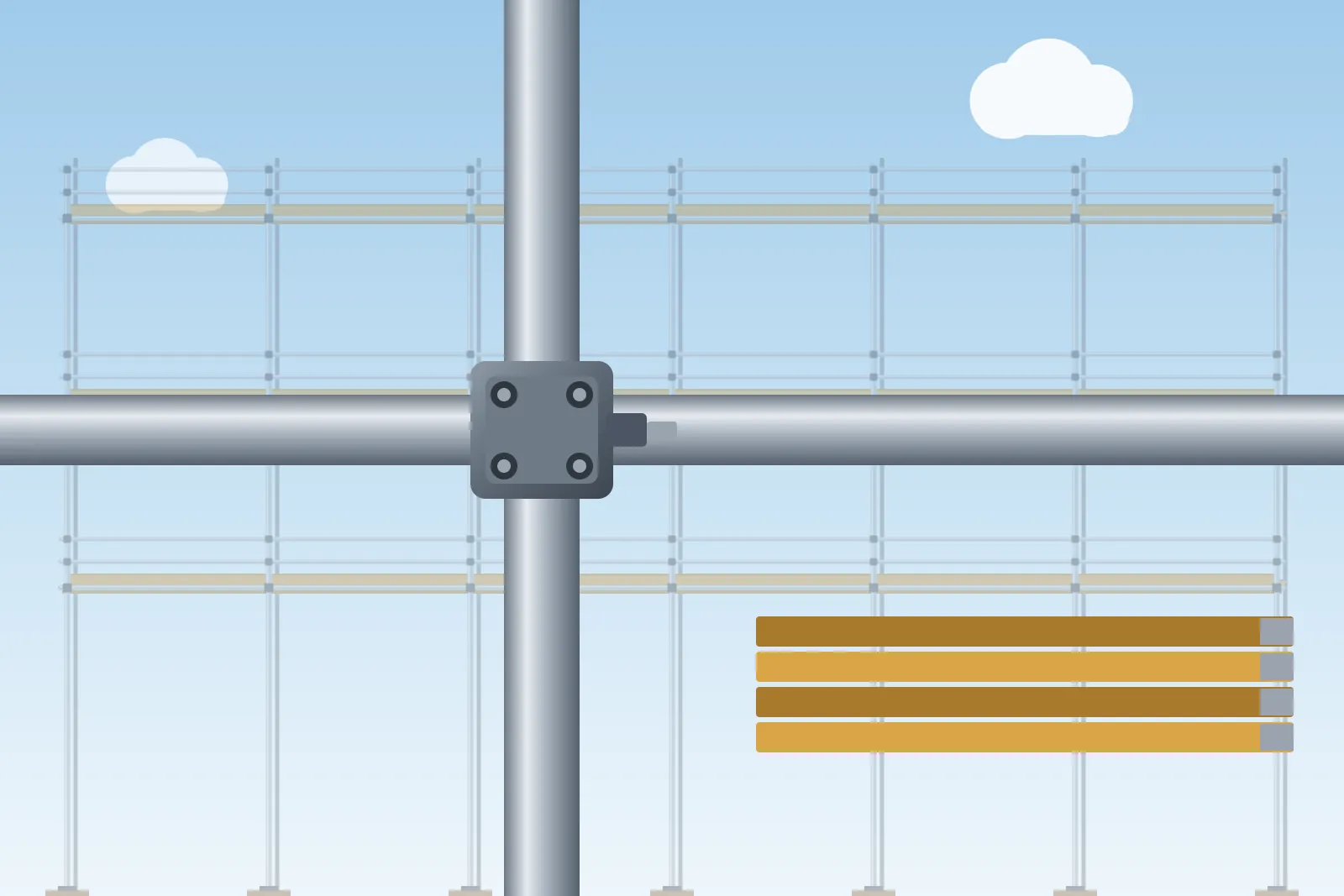
Most scaffolds in the UK are built from steel or aluminium tubes joined with fittings (also called couplers), with timber or metal boards forming the working platforms. Other scaffolds use system scaffolding, where prefabricated components lock together at fixed points.
- Standards – the upright tubes that carry the load down to the ground
- Ledgers – horizontal tubes running along the length of the scaffold
- Transoms – shorter tubes running back to the building that support the boards
- Boards – the platform people stand and work on
- Guardrails and toe boards – barriers at the edge of each working platform
- Braces and ties – diagonal tubes and fixings into the building that keep the scaffold stable
- Base plates and sole boards – spreading the load onto the ground
What scaffolding is used for
On homes, scaffolding is most often used for roof work, chimney repairs, rendering and repointing, exterior painting, replacing windows, gutters and fascias, and building extensions and loft conversions. In other words, any job above ground-floor level that takes more than a short time, or needs space for materials, is a candidate for scaffolding.
On commercial buildings and construction sites, scaffolding provides access for building new structures, refurbishing facades, replacing roofs and maintaining offices, shops and blocks of flats. It can also carry protection, such as netting or sheeting, to stop debris falling and keep weather off the work.
Ready to get prices?
Describe your project and compare free scaffolding quotes from local companies – there's no obligation.
- Free to use
- No obligation
- Local scaffolding companies
- Quick online form
You'll continue to our quotes partner, MyJobQuote, to describe your scaffolding job.
Why access matters
Good access makes work at height steadier and easier to do well. A tradesperson working from a proper platform can prepare surfaces, handle materials and move along the wall without repeatedly moving a ladder. A well-designed, properly erected and correctly used scaffold also reduces the risk of falls – although no access equipment makes work at height risk-free, and safety depends on how the scaffold is designed, built, inspected and used.
Who puts scaffolding up
Scaffolding should be erected, altered and dismantled by competent scaffolders. In the UK, many scaffolders hold cards under the Construction Industry Scaffolders Record Scheme (CISRS), which records their training. The company will usually inspect the scaffold once it's complete and confirm it's ready to use, and it should be inspected again at regular intervals and after events such as strong winds.