Better access to elevated work areas
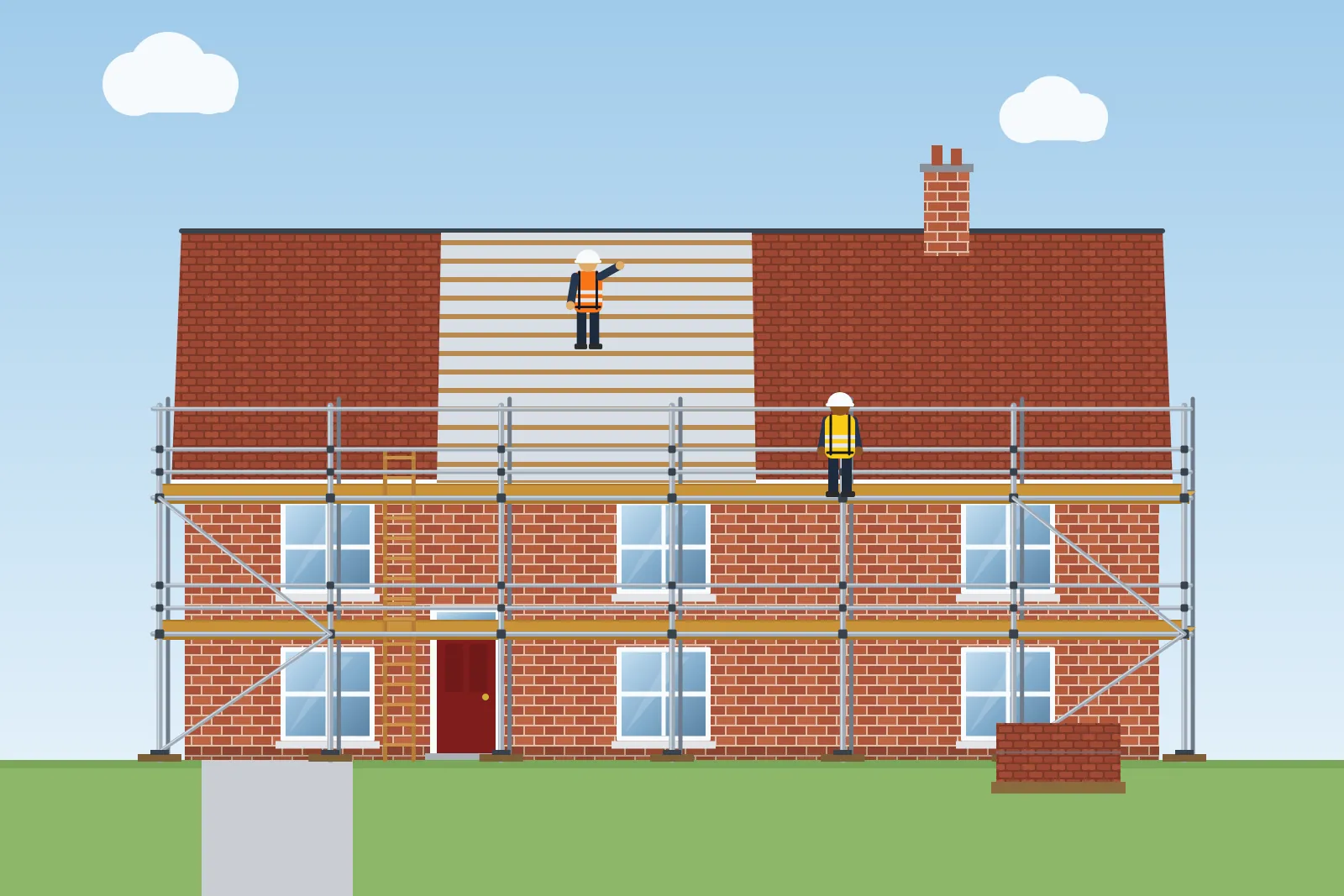
A scaffold puts a stable, boarded platform exactly where the work is – at the eaves for a roofer, along the wall for a renderer, at window height for a glazier. Tradespeople can reach every part of the area they're working on without stretching or repositioning ladders, which makes it easier to do careful, thorough work.
Easier movement around the job
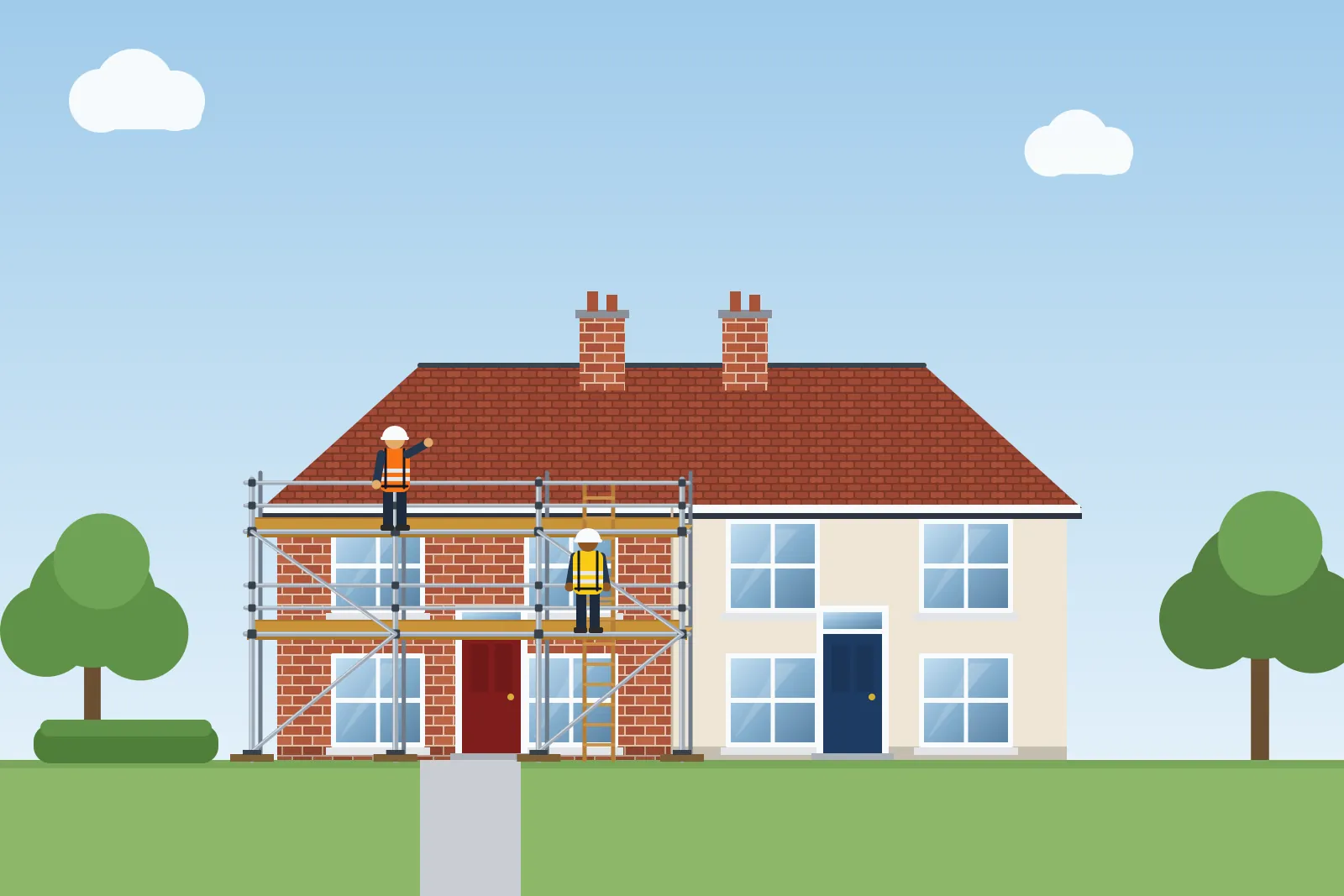
Because a scaffold runs along the building, people can move along the wall – and between lifts using the ladder access within the scaffold – as the work progresses. On a roof job, the platform at the eaves becomes a walkway along the whole roof edge. That saves time, and time on site is a large part of what any job costs.
Room for tools and materials
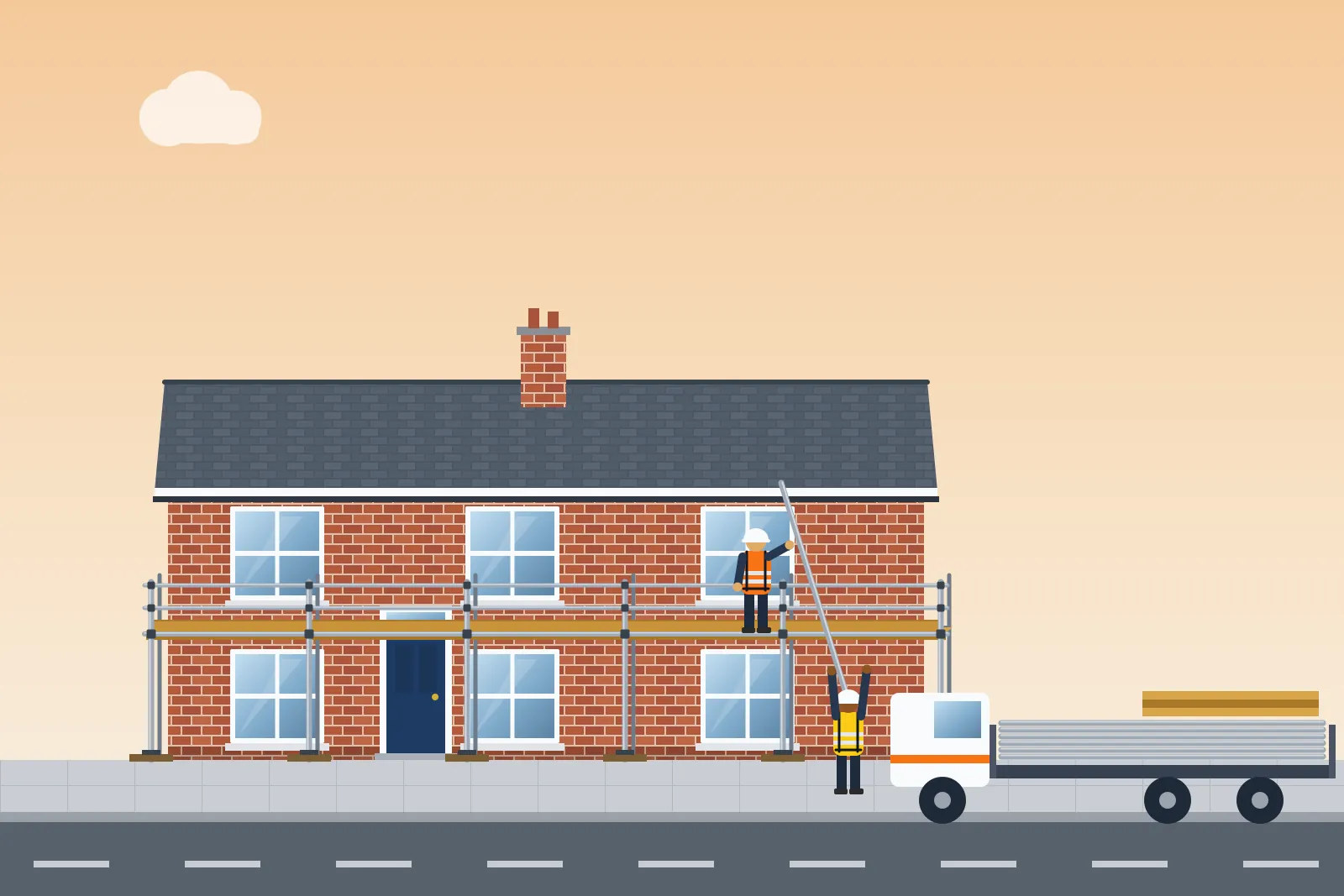
Scaffold boards give space to keep tools, buckets and a sensible quantity of materials close at hand, within the limits the scaffold is designed for. On larger jobs, a loading bay can be added so materials such as roof tiles can be lifted up and stacked safely, rather than carried up a ladder one load at a time.
Improved working conditions
Working from a steady platform with guardrails is less tiring and less awkward than working from a ladder. Tradespeople can use both hands, take their time over detailed work and keep a consistent standard across the whole wall or roof. For jobs that last days or weeks, that difference adds up.
Ready to get prices?
Describe your project and compare free scaffolding quotes from local companies – there's no obligation.
- Free to use
- No obligation
- Local scaffolding companies
- Quick online form
You'll continue to our quotes partner, MyJobQuote, to describe your scaffolding job.
Safer access – when it's done properly
Guardrails, toe boards and a solid platform reduce the risk of falls compared with less suitable access methods. But safety isn't automatic. It depends on the scaffold being designed for the job, erected by competent scaffolders, inspected regularly, used correctly and not altered by anyone other than the scaffolding company. The circumstances of each project – the building, the ground, the weather – also play a part.
Protection for the building and the public
Where it's appropriate, a scaffold can carry netting, brick guards or sheeting to help stop debris falling onto the street and to keep rain and wind off the work. On major re-roofs, a temporary roof can protect the inside of the building while the old roof is stripped. These additions need to be planned and designed for, as they change how the scaffold behaves in the wind.
Suitable for longer projects
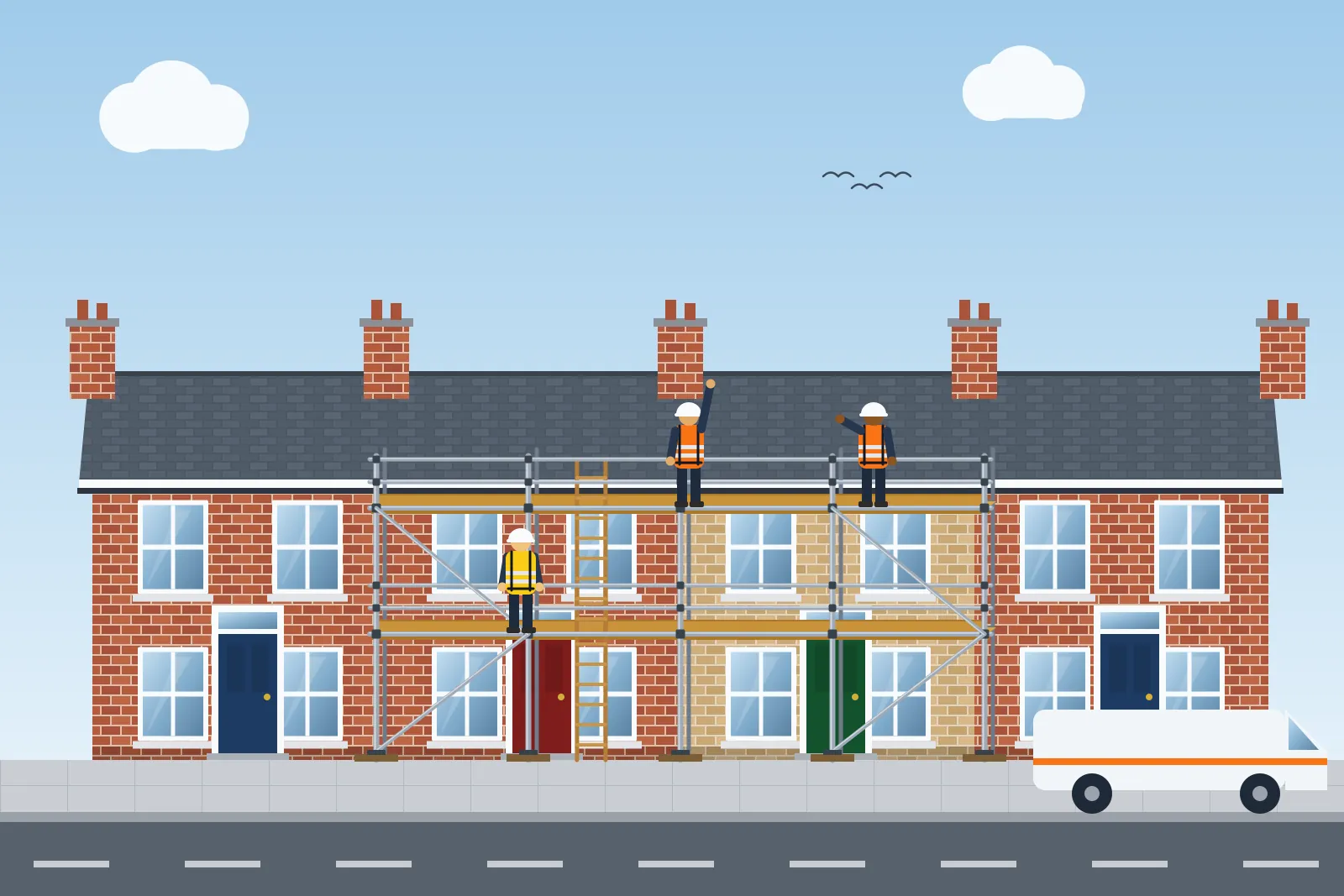
Ladders and towers suit short jobs in one place. When work will take weeks, involve several trades or cover a whole elevation, a scaffold usually makes more sense, because it stays in place and gives the same access throughout. Several trades can use the same scaffold in turn, which can make it better value overall.