Why obstacles matter
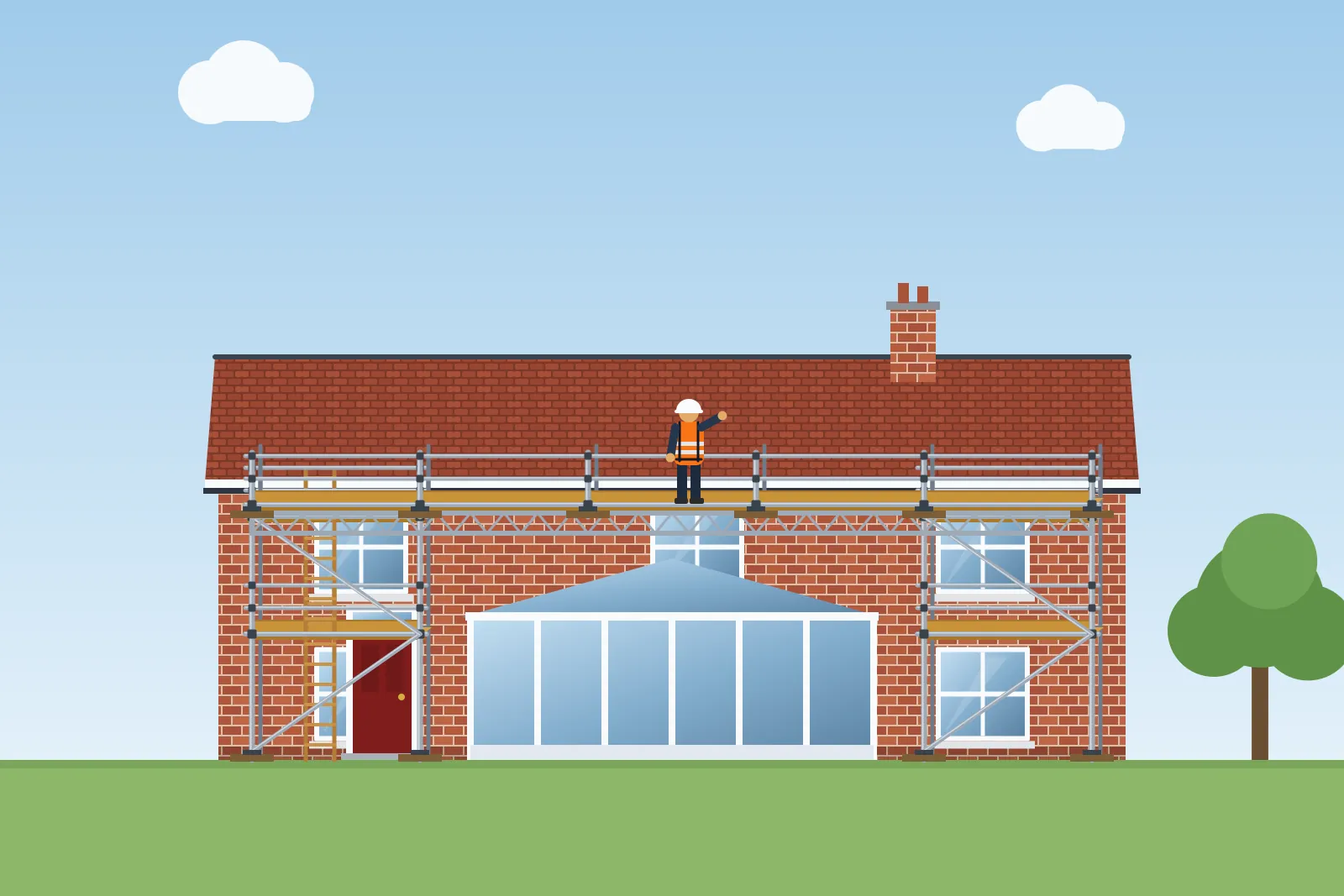
Conservatory roofs, glass extensions and lightweight lean-tos aren't designed to carry scaffolding or people. Single-storey extensions may have flat roofs that can't take concentrated loads either. If the main roof above needs work, the scaffold has to reach it without relying on what's below.
Common solutions
The right approach depends on the size of the obstacle, the ground either side and the work to be done.
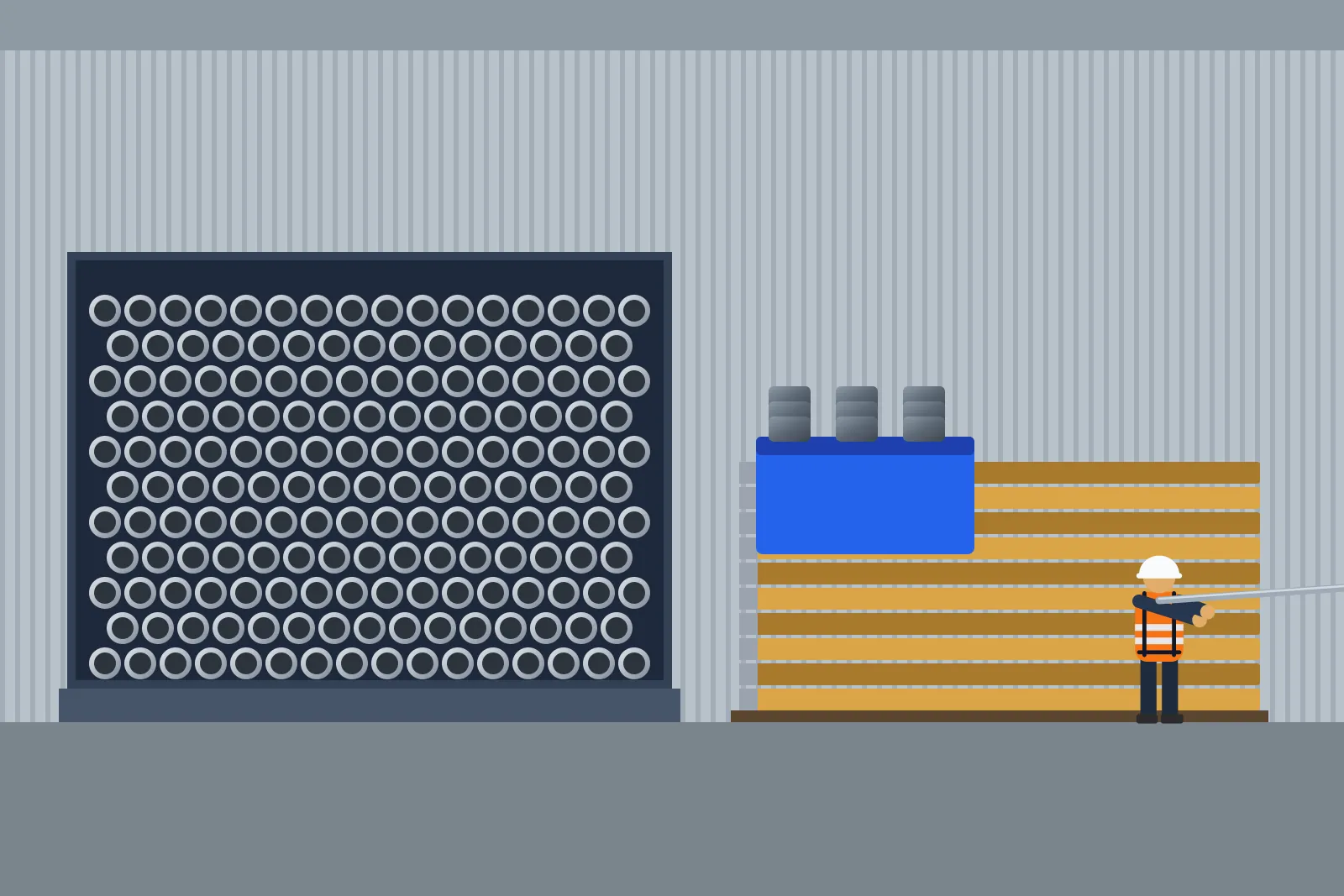
- Bridging: towers either side of the obstacle carry beams across it, with the scaffold built on top
- Cantilevers: the scaffold projects out over the obstacle from a supported section
- Building on a strong flat roof, where it has been confirmed suitable and protected
- Working from the other side of the house or a neighbouring elevation, if the job allows
Ready to get prices?
Describe your project and compare free scaffolding quotes from local companies – there's no obligation.
- Free to use
- No obligation
- Local scaffolding companies
- Quick online form
You'll continue to our quotes partner, MyJobQuote, to describe your scaffolding job.
Protecting glazing and roofs
Even with bridging, debris and dropped items can damage glass below. Scaffolders may board out a protective deck over the conservatory, add netting or brick guards and keep materials away from the edge.
Agree in advance how the conservatory will be protected and how any damage would be dealt with, and take photos before work starts.
What it means for the price
Bridging and cantilevers need extra materials – beams, additional standards, bracing – and more time to erect, so expect them to add to the cost compared with a simple scaffold. It's still usually far cheaper than repairing a damaged conservatory roof.