Wind
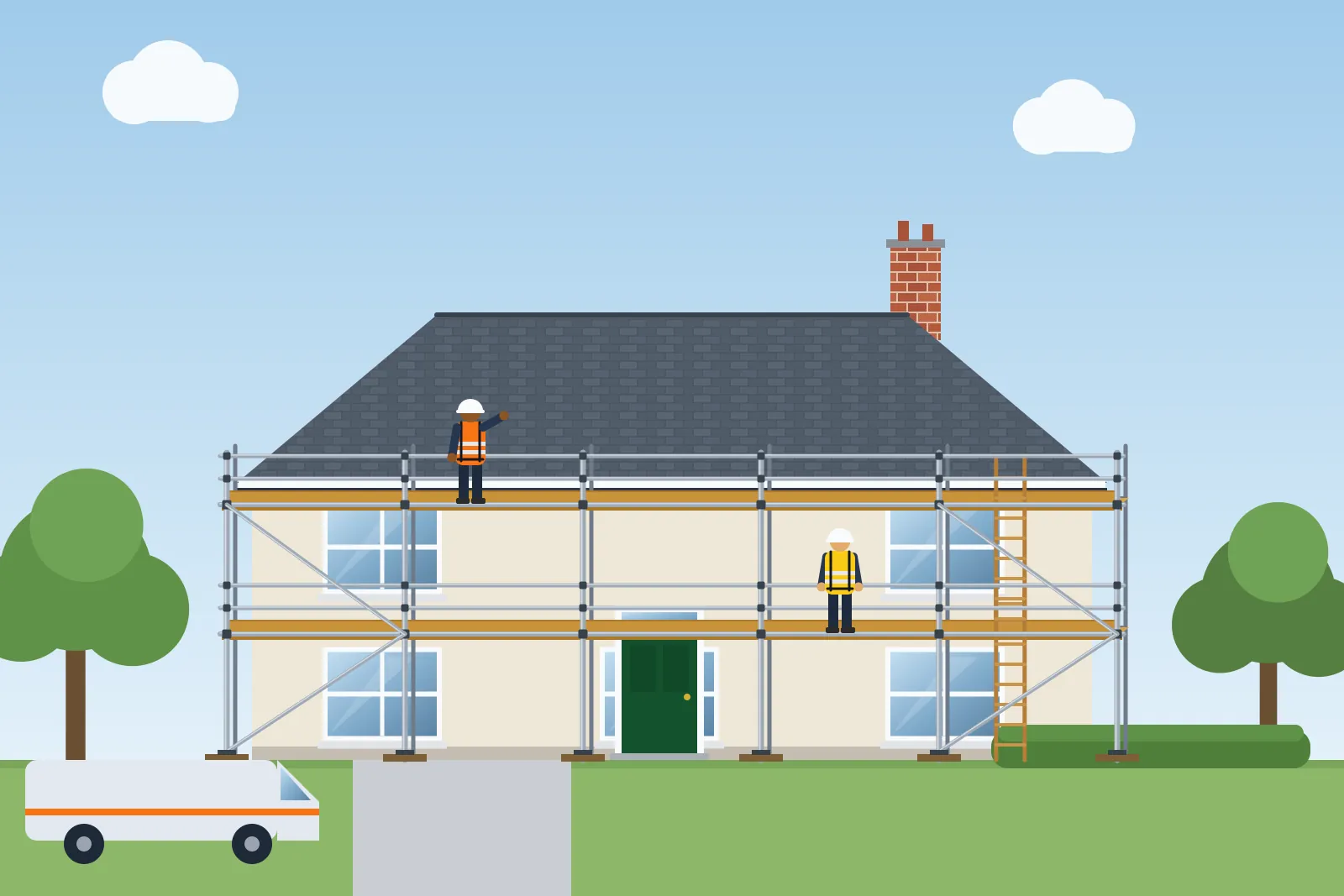
Wind is the weather factor scaffolders think about most. A scaffold is designed and tied to the building to resist the loads it is expected to face, and exposed locations – coasts, hilltops, open countryside, tall buildings – need particular care.
Work on scaffolds is usually stopped in high winds, and erecting or dismantling may be rescheduled. That's a sensible precaution, not an inconvenience to argue about.
Sheeting, netting and wind load
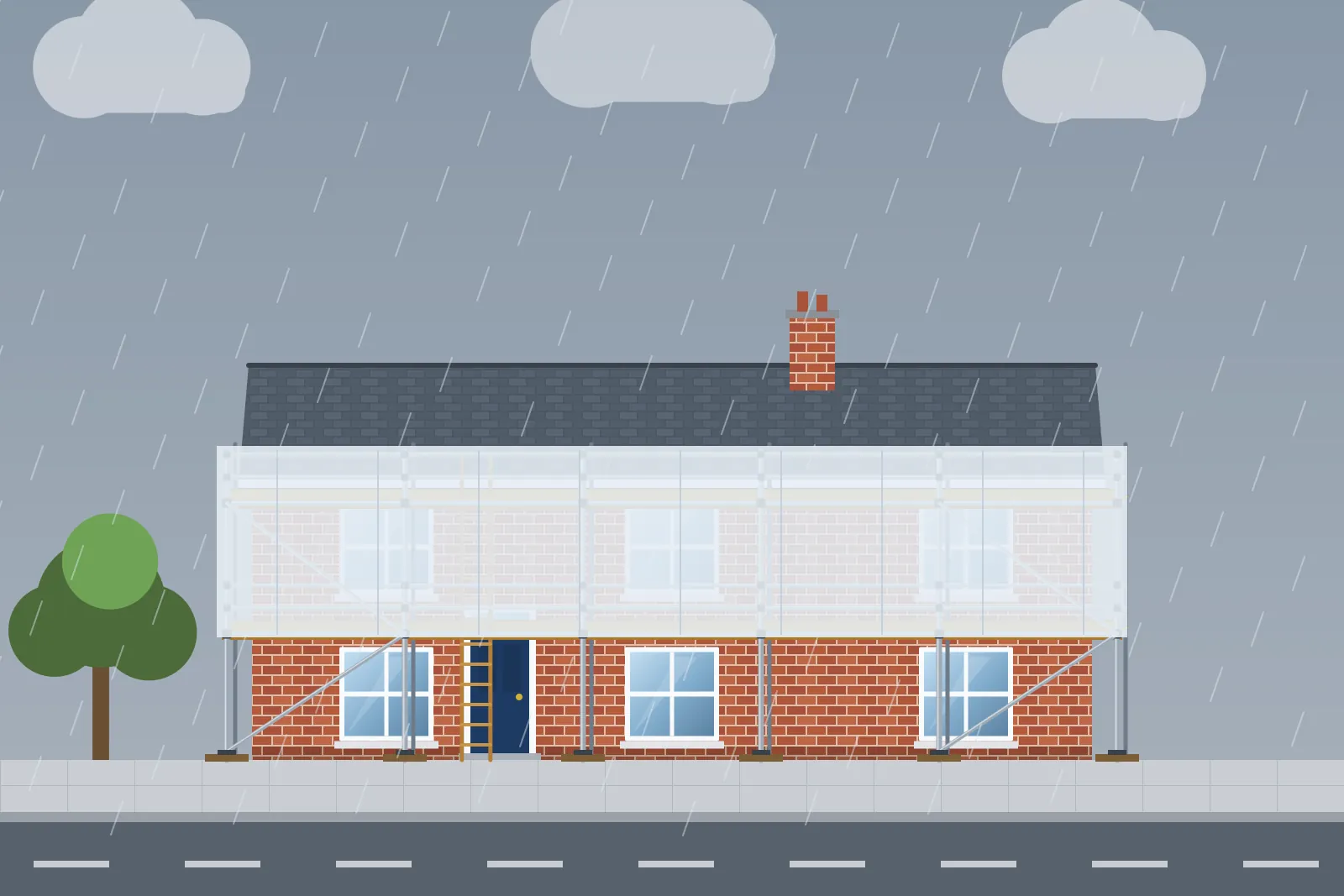
Sheeting and netting turn an open framework into something closer to a sail. They're useful – protecting render from rain, keeping debris off the street, or covering a building during a re-roof – but they increase the wind load on the scaffold significantly.
If you or your tradespeople want sheeting, say so when you request quotes. The scaffold may need more ties or a specific design, and the price should reflect that. Never add sheeting or tarpaulins to a scaffold yourself.
After a storm
Scaffolds should be inspected after events likely to affect their stability, such as strong winds. If there's been a storm, the scaffolding company should check the scaffold before anyone works from it again.
If you notice anything that looks wrong – torn sheeting, displaced boards, loose tubes – stay off the scaffold and keep others clear, and call the scaffolding company.
Ready to get prices?
Describe your project and compare free scaffolding quotes from local companies – there's no obligation.
- Free to use
- No obligation
- Local scaffolding companies
- Quick online form
You'll continue to our quotes partner, MyJobQuote, to describe your scaffolding job.
Rain, frost and winter work
Rain doesn't usually affect the scaffold itself, but it stops roofing, rendering and painting. Frost and ice make boards slippery and can stop work entirely, and snow adds weight – particularly on temporary roofs, which need to be designed for it in some locations.
Winter projects are entirely possible, but they tend to take longer. Allow for that when planning the hire period.
What it means for cost
Weather delays are the most common reason scaffolding stays up longer than planned. Most quotes include an initial hire period and a weekly charge afterwards, so check that weekly rate and ask your tradespeople for a realistic timescale that allows for weather.