Why inspections matter
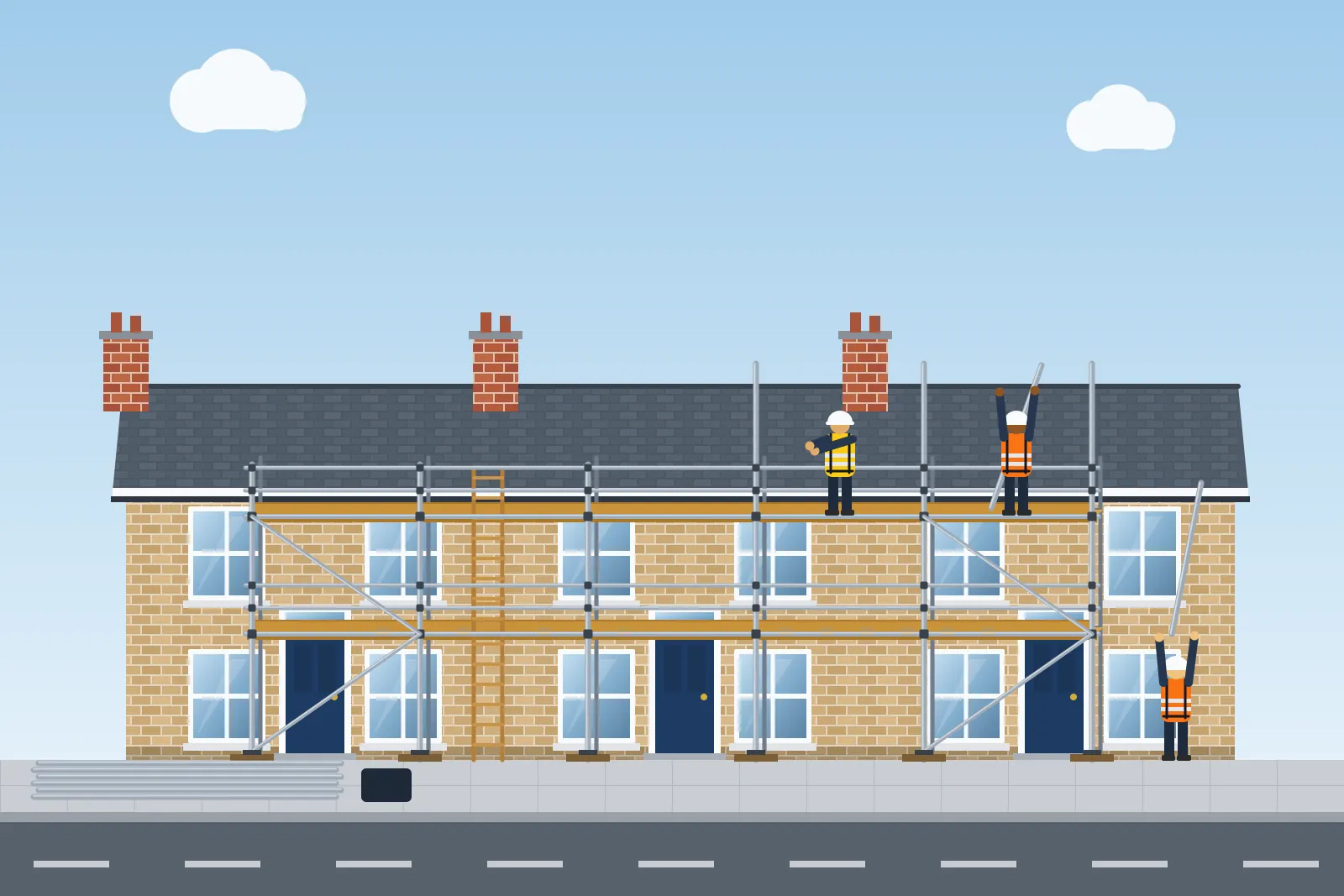
Scaffolds are temporary structures that can be affected by weather, ground conditions, accidental knocks and unauthorised changes. Regular inspection helps make sure guardrails, boards, ties and bracing are still in place and that the scaffold is still suitable for the work being done from it.
Inspection doesn't make a scaffold risk-free, but it is one of the key controls that, together with proper design, erection and use, helps keep people working on and around it safer.
Handover: before anyone uses it
When the scaffold is complete, the scaffolding company should check it and confirm it's ready for use. This is often done with a handover certificate stating what has been erected, the intended use and any loading limits, and sometimes with a tag at the access point showing it has been inspected.
Tradespeople shouldn't start work from a scaffold that hasn't been handed over, and they should use it only for the purpose it was designed for.
Regular and post-storm inspections
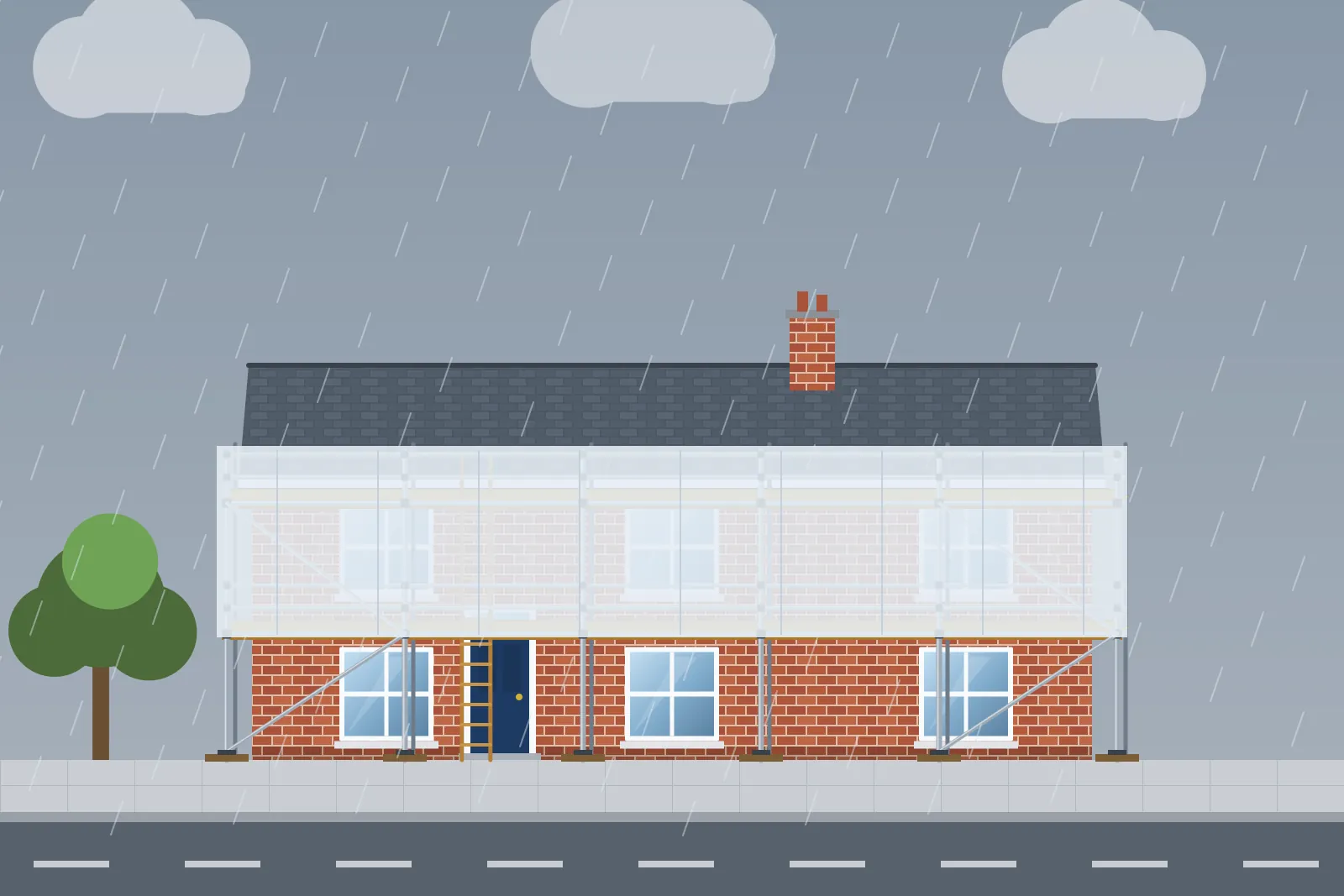
For construction work in Great Britain, the Work at Height Regulations 2005 generally require working platforms from which a person could fall two metres or more to be inspected after they're put up, at intervals of no more than seven days, and after any event likely to have affected their stability – such as strong winds. Inspection results should be recorded.
On domestic jobs, ask the scaffolding company how inspections will be handled during your hire, and who to call if you're worried about the scaffold – for example after a storm.
Ready to get prices?
Describe your project and compare free scaffolding quotes from local companies – there's no obligation.
- Free to use
- No obligation
- Local scaffolding companies
- Quick online form
You'll continue to our quotes partner, MyJobQuote, to describe your scaffolding job.
What homeowners can look out for
You don't need to be an expert, but it's sensible to call the scaffolding company if you notice:
- Missing or displaced guardrails, toe boards or boards
- Ties or tubes that appear to have been removed or loosened
- Base plates or sole boards sinking into soft ground
- Sheeting or netting that has torn or is flapping in the wind
- Other trades altering the scaffold themselves